The significance of pregnancy diet plan!
A good diet is essential to maintaining good health at any time, but it's much more crucial if you're expecting or considering pregnancy. Healthy pregnancy foods will support the growth and development of your unborn child.
While you don't need to follow a specific diet, it's still vital to consume a variety of meals every day to ensure you and the baby are getting the proper amount of nutrients.
The best way to ensure that you receive all the vitamins and minerals you need is to consume whole meals, but when you're pregnant, you also need to consume a folic acid supplement. Take help from a dietitian for pregnancy diet plan!
Strive to have a nutritious breakfast each day to prevent nibbling on unhealthy foods that are more in sugar and fat.
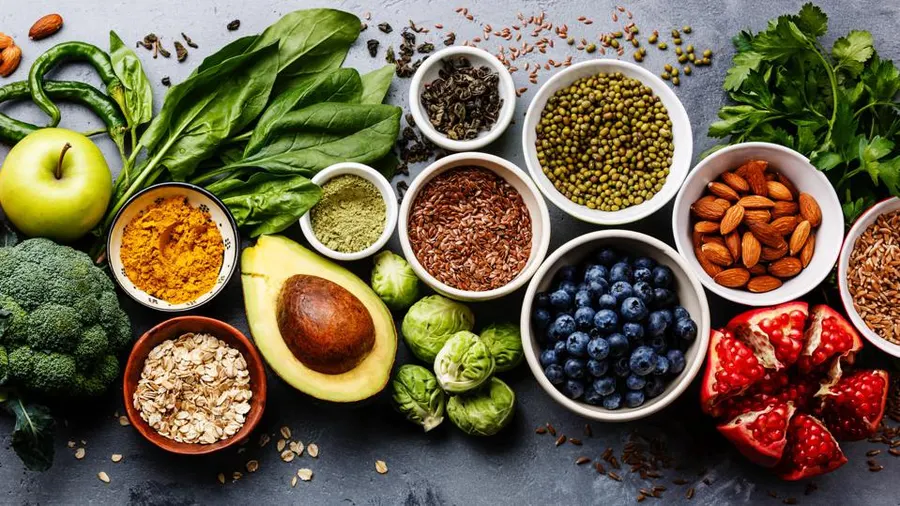
In order to maintain a diversified diet while eating healthfully, it's sometimes necessary to alter the portions of certain items rather than completely eliminate them. It demonstrates how much of your diet ought to come from each food category in order to maintain a healthy & nutritious diet plan.
While you don't have to attain this balance at every meal, attempt to do so over the course of a week.
For the health of both the mother and the unborn child, a nutritious diet is essential throughout pregnancy. Unfortunately, pregnant people from low socioeconomic backgrounds frequently do not adhere to recommended diets and nutritional standards.
Because midwives frequently lack the nutritional knowledge, time, and expertise to offer effective advice, dietitians may play a significant role in giving nutritional recommendations throughout pregnancy.
Pregnancy Diet Plan
Eating healthy and having a nicely developed baby both depend on a proper diet. The finest time to assess your nutritional condition and make any changes is before becoming pregnant.
The first few weeks of pregnancy, when many women might not even be aware that they are pregnant, are a crucial time for foetal growth. According to your medical condition, weight, and eating habits, you should adjust your diet before becoming pregnant.
Weight growth is promoted not only during pregnancy but at other times throughout life as well. A variety of variables, including pre-pregnancy weight, may affect the recommended weight increase.
If you're carrying many infants, you might anticipate gaining extra weight as well. You can get assistance from your doctor in figuring out what weight increase is appropriate for you.
It is understandable how well a plump up of 11–13 Kg. is typical given that many new born might weigh 3–3.5 Kg. before they are born. The typical weight growth may result in an increase of 200–300 calories per day. As a result, the daily caloric intake goes up to somewhere between 2400 and 2500 calories on average.
The additional calorie requirements might be met by expanding the serving size. Instead of increasing calorie intake with fatty meals, one should boost it with foods high in dairy, protein, grains, fruits, or vegetables.
Eating well rather than more is what is meant by healthy eating. Together with increased calories, pregnancy calls for additional nutrients. Micronutrients are added to the categories of lipids, protein, and carbs in food.
Proteins serve as the primary building component for all of the foetal bodily systems. Protein-rich foods include beans, milk, seafood, and lean meat.
The main source of energy is carbohydrate. Grain, cereal, fruit, vegetable, and milk are sources.
The development of the foetal nervous system and the absorption of certain vitamins both depend on fats. Always steer clear of hydrogenated and saturated fats and oils.
Canola oil and olive oil are examples of monounsaturated oils that are healthier. Docosahexaenoic (DHA), an omega-3 fatty acid, has been associated with higher new born IQs. The US Medicine National Library has a fantastic article with further details concerning the connection between DHA and new born IQs.
Pregnancy significantly alters the classic proverb "You Are What You Eat" to "We Are What Our Moms Ate". It is always better to speak with your healthcare professional if you have specific dietary concerns. Luck to you! For nutrition during pregnancy.
Dietitians' Function during pregnancy
A woman's life throughout her pregnancy is highly important. A foetus needs a lot of physical and mental work to develop within the womb, therefore, maintaining excellent health is the sole approach to making the process easier.
A good pregnancy is mostly dependent on nutrition. Most expectant moms are unsure of what foods to eat and which ones they should avoid. A dietician can help in this situation. Dietitians help to ensure a healthy pregnancy by educating and advising expectant moms about nutrition.
Eating Well During Pregnant
The health of the mom and the baby can be influenced by a nutritious diet and a healthy weight. A woman requires 300 more calories per day than usual while pregnant. Energy needs are accompanied by cravings, which might result in unhealthful eating patterns. Dietitians can assist in developing a pregnancy diet plan that will satisfy appetites while meeting calorie needs.
Many fruits and vegetables have the potential to complicate pregnancy. Dietitians assist expectant parents in becoming knowledgeable about such components and how to prevent them. They also provide information on natural nutrient sources like folic acid, which is essential for the fetus's brain development.
The value of consultation with a nutritionist during pregnancy
An unhealthy diet can cause long-lasting health problems for both the mother and the child. However, these disorders may be avoided via a healthy diet and regular exercise. Adopt a perfect pregnancy diet plan with us!
Diseases like pre-eclampsia and gestational diabetes raise the risk of heart disease in the mother. Dietitians are essential to preventing these fatal illnesses, especially in light of the numerous dietary and pharmaceutical limitations.
Dietitians are important following pregnancy
Dietitians are crucial during both the prenatal and postnatal periods. They promote a safe pregnancy and delivery during the prenatal period, and during the postpartum phase, they support the mother's recovery after childbirth and help her feel at peace with her body as she eats.
Postpartum depression can be prevented and treated in large part by proper nutrition. Iron-rich foods can also help in managing the exhaustion caused by postpartum bleeding.
Once their whole focus switches to the infant, many new moms are apprehensive about their status. A dietitian can assist in developing a dietary plan to hasten the new mother's return to normalcy.
A webinar about dietitians' responsibilities throughout pregnancy is being held by Dietitian Central. The webinar will concentrate on the connection between poor eating and illnesses like diabetes problem and others that might impair pregnancy.
They will clarify the aim for diabetic women, which is to satisfy the nutritional requirements of both the mother and the foetus while also preserving maternal normoglycemia.
Pregnancy diet plan and lactation nutrition
Both you and your baby may benefit much from breastfeeding.
Recommendations for effective breastfeeding:
1. No commercial baby formula or other food or beverage can compare to breast milk as the ideal food for the new born infant;
2. Breastfeeding (as opposed to artificial feeding) guards against common infections, including respiratory and diarrhoeal illnesses as well as ear infections and urinary tract;
3. Feeding frequency shouldn't be limited by a schedule; nurse the infant as frequently as they'd like.
4. Do not remove a baby from the breast before they are fully developed; let the kid to naturally come off the breast;
5. Try to breastfeed your baby exclusively for six months, after which you should continue as long as you can and as frequently as you can (exclusively meaning that you should not give your baby any other fluids, such as water, tea, or glucose, during this time);
6. Breastfeeding is not contraindicated by anaemia, and you should carry on even if you are anaemic;
7. Breastfeeding is not contraindicated by weight reduction, so you should maintain to do so even if you have done so;
8. Even if you smoke or drink sometimes, you should continue nursing since your breast-milk is still the finest nourishment for your baby. Adopt a safe pregnancy diet plan with us!
You will likely weigh 3–4 kg more after giving birth than you did before being pregnant. Do not attempt to reduce weight right away because these reserves are utilised to produce breast milk. While producing breast milk requires a lot of energy, nursing will assist you in returning to a healthy weight.
The guidelines for a balanced diet during pregnancy also apply to nursing
Points to remember
1. Avoid drinking or at least limit alcohol consumption while nursing since alcohol can transfer into breast milk;
2. There is no proof that alcohol increases the production of breast milk;
3. Smoking reduces the amount of vitamin C in breast milk, which can have an impact on your capacity to breastfeed and the development of your unborn child;
4. Try to avoid damaging your new born's lungs by never smoking in the nursery;
5. Avoid drinking excessive amounts of coffee, tea, and cola beverages (suggestions are identical to those for during pregnancy) as caffeine can enter breast milk and trigger hyperactivity and sleeping issues in your infant;
6. Consult your doctor prior taking any drugs since many do transfer into breast milk (but most medications do not prevent nursing). Find solutions for nutrition during pregnancy!
Advice on preparing and safely consuming food
Being extra cautious to avoid acquiring an illness from contaminated food items is especially important during pregnancy and breast-feeding.
Your unborn child may be harmed by certain germs and parasites
1. Not to be consumed undercooked or raw eggs: Eggs must be thoroughly cooked for both the white and yolk to be firm;
2. Refrain from consuming homemade or canned-free pates;
3. Avoid drinking unpasteurized (or unboiled) milk and unpasteurized ice cream;
4. Cooked meat and poultry to perfection; ensure that the frozen meats are thoroughly defrosted before cooking;
5. Before serving, fully reheat prepared meals and leftovers;
6. Keep raw meat in the fridge to prevent spills that might contaminate other items; After handling meat, wash your hands afterward and kitchen surfaces;
7. A thorough washing of every produce;
8. To maintain vitamins Boil veggies with the least amount of water possible; do not overcook; Try steam cooking or using your microwave, if you have one;
9. Follow the manufacturer's directions and make sure the food is fully cooked through if you use a microwave;
10. Look up the expiry date on the canning jar;
11. During gardening, put on gloves and wash your hands after;
12. In order to prevent contracting Toxoplasmosis, which is a dangerous infection that can result in blindness, mental retardation, or even the intrauterine demise of the foetus, avoid contact with cats and use gloves while handling cat faeces.
Is the mother's nutritional state impacted by breastfeeding?
Depending on the nutrition of the mother, it could. The mother's food or internal reserves provide the milk's energy, proteins, and other nutrients. Maternal depletion is the term used to describe how repeated, tightly packed cycles of nursing pregnancy can lower women's energy and nutritional reserves when they do not consume enough of these substances in their diets. There are adaptations that help shield the mothers from these consequences, though.
An increase in hunger is typical for women throughout gestation and particularly during nursing. The resultant increase in food consumption helps in fulfilling the extra needs of pregnancy and breastfeeding. It is necessary to provide the mother with extra meals as a result. For more information contact us about pregnancy diet plan and lactation nutrition with us!
It's crucial to make extra food accessible to women before they get pregnant, throughout pregnancy and breastfeeding, and during the recovery period when the lady is neither lactating nor pregnant. This information should be shared with the community and household members.
In cultures where women's diets are restricted by cultural norms, providing moms with additional food is even more crucial. The most efficient strategy to enhance the health of pregnant, nursing, and teenage women is to expand their nutritional options.
How much additional food does a nursing mother require?
Most women in impoverished nations will need to consume an extra 500 kcal per day in order to promote breastfeeding and preserve maternal reserves (growth of 20 percent - 25 percent over the regular intake before pregnancy).
Since they may use the fat mass and other resources built up during pregnancy, moms who receive adequate nutrition and acquire appropriate weight throughout pregnancy require less. It's crucial for mothers to drink enough water to quench their thirst since lactation increases the mother's thirst.
Are moms who are undernourished able to effectively nurse their babies?
Yes. Mothers who are malnourished can breastfeed their babies according to the same guidelines as moms who are not malnourished, except in the most severe circumstances. The introduction of supplementary meals as well as exclusive breast feeding for a period of six months after that are also advised. Meet our Dt. Rukhsana Azhar for nutrition for pregnant women!
It's a widespread misperception that malnutrition significantly lowers the volume of milk a mother can make. The amount of milk produced is mostly influenced by how frequently and successfully the infant suctions, according to research, even though malnutrition may have an impact on the quality of the milk. The baby will suckle more forcefully, more frequently, or more extensively at each feeding if the mother momentarily makes less milk than the baby requires. More milk production is stimulated by this.
Giving the nursing mother additional food is a safer, simpler, and more affordable option when she is undernourished than exposing a baby under six months old to the dangers of giving them other foods or breast milk substitutes.
Is it possible to improve breast milk production by feeding the mother more food?
There is some data to support this. So far, there have been two randomized intervention studies, one each in Guatemala and Burma. Both trials found a slight increase in new born milk consumption when malnourished breastfeeding moms received dietary supplements. Maternal nutrition during pregnancy boosted child growth rates, potentially by boosting breast milk supply, according to a different Indonesian study. Learn more about pregnancy diet plan and nutrition from us!
Giving malnourished mothers more food during pregnancy and/or lactation may therefore help increase milk production while also improving their own nutritional status and giving them more energy to care for themselves and their families, even though maternal malnutrition is not generally thought to be a significant barrier to breastfeeding for most mothers.
Should nursing moms consume or stay away from particular foods?
No. Contrary to popular belief, nursing mothers are not required to eat or avoid any particular foods. Eating restrictions (eat this, don't do that) might be harmful since they make it harder for the mother to adopt a healthy diet or discourage her from nursing. The greatest diet tip is to eat a variety of foods.